300+ Legal, Business, and Community Leaders Join CCE in Urging Senate to Fully Fund DC Courts
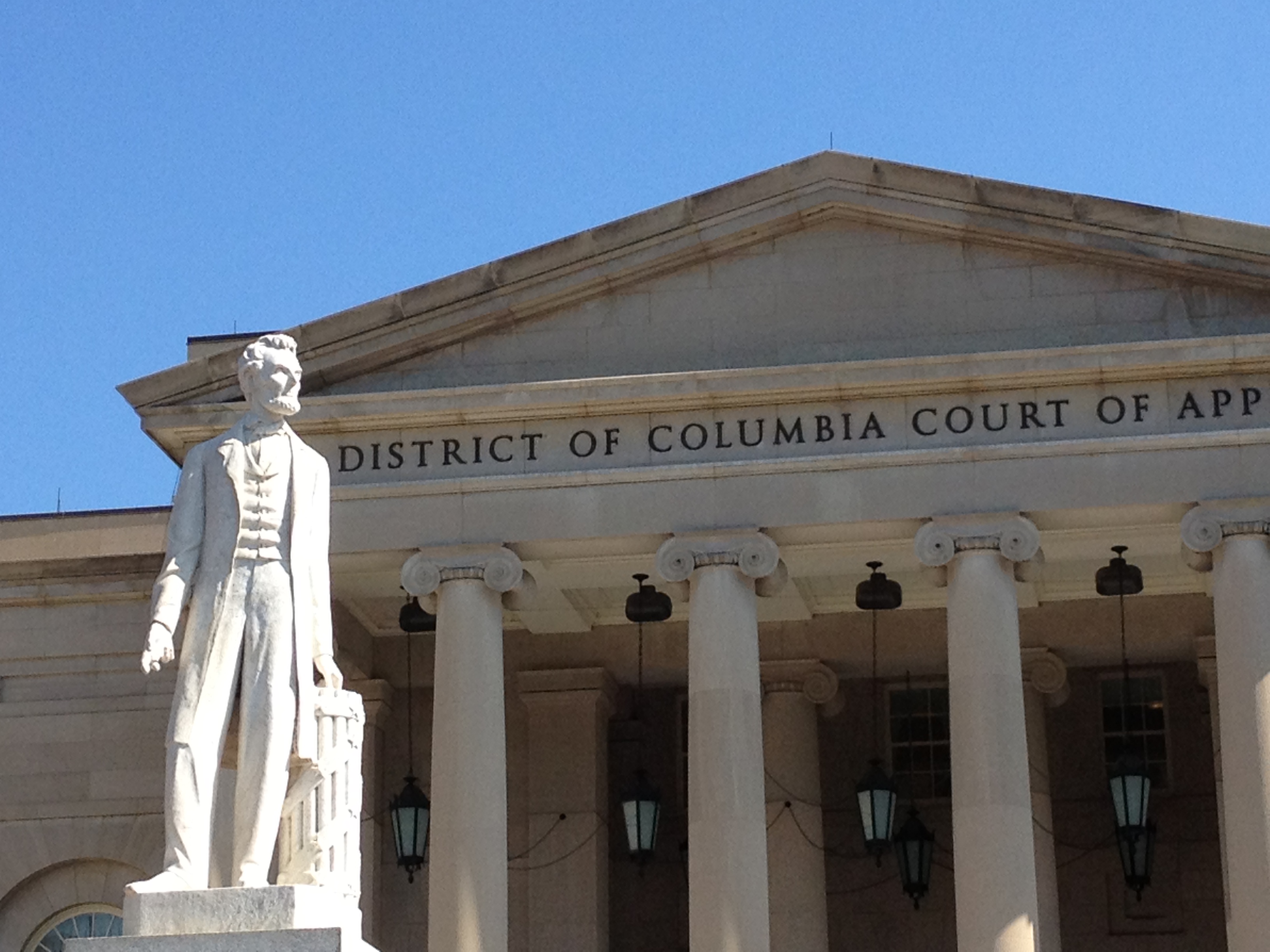
September 17, 2026 - Today, a coalition of 300+ D.C. organizations and community leaders delivered a letter to the U.S. Senate Appropriations Committee to urge Congress to fully fund the D.C. Courts' Fiscal Year (FY) 2027 budget request. The organizations warn that the proposed cuts would undermine the courts’ ability to safely and effectively administer justice.
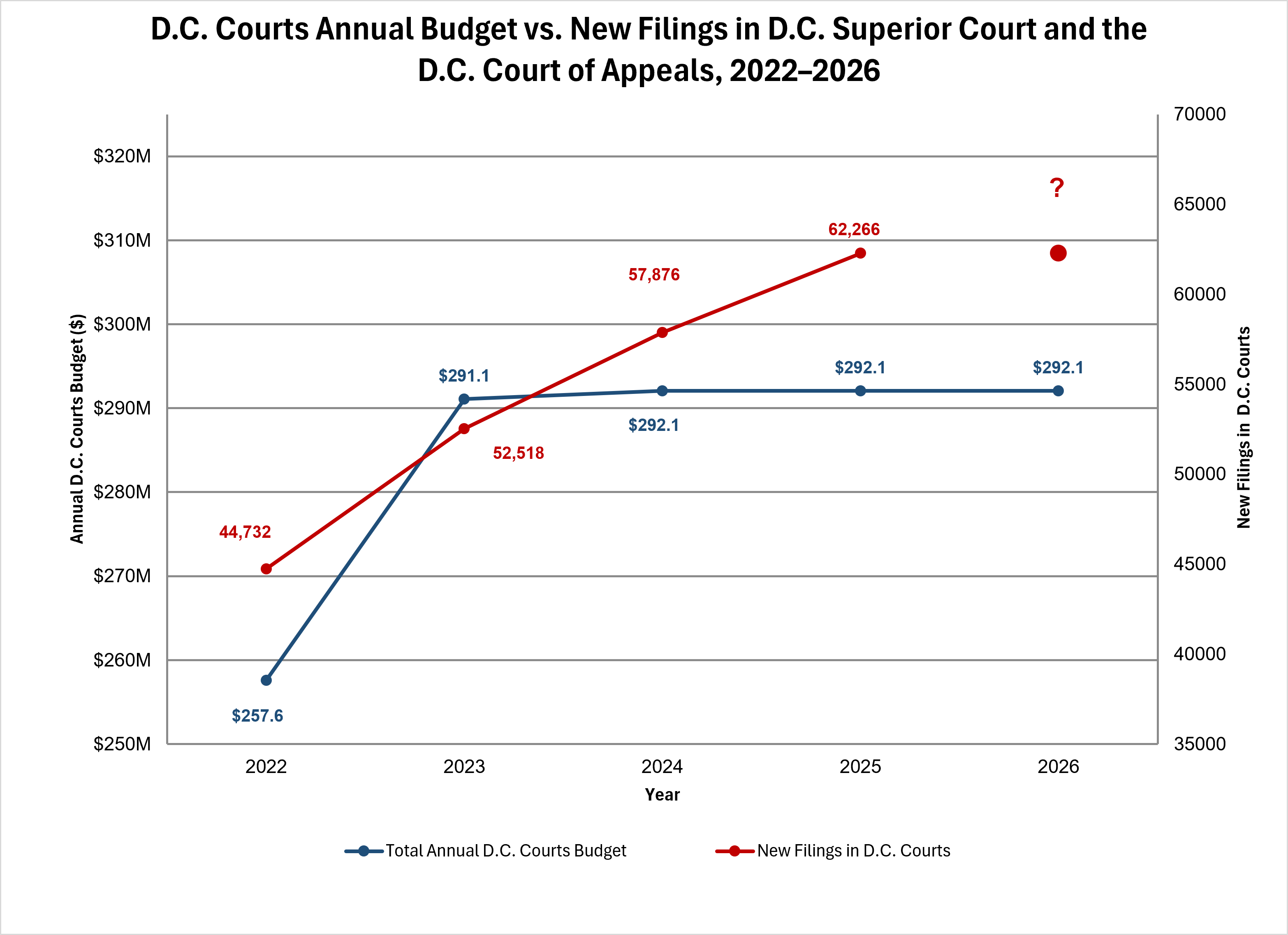
The letter - coordinated by CCE - is in response to the House Appropriations Committee’s proposal to fund the D.C. Courts’ operations budget at a level nearly 13% below FY2026, despite significant increases in both criminal and civil caseloads. From FY 2023 to FY 2025, new civil and domestic relations case filings increased 33%, while criminal case filings increased 160%.
The public push comes weeks after the Senate confirmed eight new judges to D.C. local courts, which helped address long standing judicial vacancies. The coalition applauds those confirmations but warns that judges added without sufficient court staff, infrastructure, technology, and security will hurt their ability to move cases through the system.
“Fully funding D.C.’s courts is not just a budget issue, it is a public safety and access to justice issue,” said Misty Thomas Zaleski, Executive Director of the Council for Court Excellence. “Every arrest, hearing, mediation, and trial depends on a court system with enough people and resources to process cases fairly and on time. Adding judges while cutting the infrastructure that supports them would undermine the progress Congress just made.”
Unlike state courts, D.C.’s local courts depend on Congress for their funding. The coalition emphasized that adequate court resources affect far more than criminal prosecutions. D.C. residents and businesses rely on the courts for child custody and domestic relations matters, housing and employment cases, probate proceedings, commercial disputes, and other civil matters.
"When people picture a courtroom, they mostly just picture a judge. Maybe a prosecutor and defense attorney. Perhaps a jury. But there is so much more happening inside a real courthouse that makes it possible for cases to go to trial," said CCE's Board Chair Jelahn Stewart. "A functioning courtroom - the place that our laws rely on for fair determination of facts and where our Constitutional principles are upheld - requires a complex web of support to equip judges to rule in cases. So while the Senate addressed one of D.C. Courts’ problems by confirming judges, they may be creating a different problem if they don’t adequately fund our courts."
Paulette Chapman, CCE's President, also noted: "For everyday people who rely on the courts, the path to justice begins long before appearing before a judge or having a trial. It begins with understanding where and how to file, getting questions answered, and being able to navigate a system that is intimidating even when it is working well. For a domestic violence survivor seeking a protection order, a tenant facing eviction, or a defendant who needs appointed counsel, access to justice depends on whether there are people throughout the system to help them navigate it and have their case heard."
The letter also warns that years of essentially flat funding have left the courts with staffing levels below those of a decade ago while security, cybersecurity, technology, and infrastructure needs continue to grow. The coalition notes that even maintaining static funding in FY 2027 would further constrain the courts’ ability to safely and effectively administer justice.
Read the full letter and see the list of signatories here.
Read CCE’s court funding fact sheet here.
Stay in the Know with Our Quarterly Newsletter
Receive updates, event invitations, information about new publications, and more.

Join CCE for "Maintaining the Rule of Law: How Federal Courts in D.C. Manage Demanding Dockets," a Bench-Bar-Media Dialogue event
300+ Legal, Business, and Community Leaders Join CCE in Urging Senate to Fully Fund DC Courts